
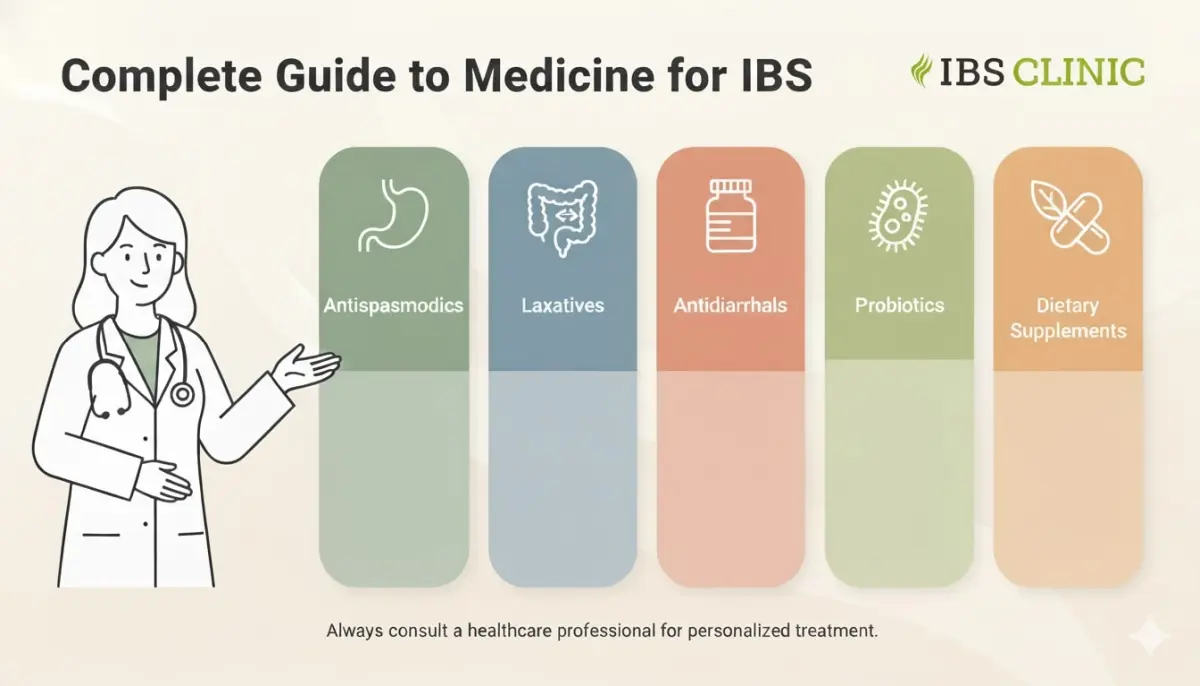
If you have been suffering from Irritable Bowel Syndrome (IBS), chances are that you have tried different medicines for constipation, loose motions, gas, bloating and abdominal discomfort. Sometimes one medicine helps, but another symptom continues. You may experience temporary improvement, only to find your digestive problems returning after some time.
This often leads to an endless search for a better medicine, or the one pill that will permanently solve the problem. But is medication alone enough to manage IBS? The answer is no. IBS management requires more than medicines. Diet, lifestyle, meal timings, sleep, stress management and timely professional guidance are equally important.
At IBS Clinic – Integrative Gut Health, we believe that understanding the digestive problem is the first step towards choosing an appropriate treatment approach.
Why IBS Is More Than a Digestive Problem
IBS is a functional gastrointestinal disorder, now commonly described as a disorder of gut–brain interaction. This means that the digestive system may not function normally even when routine investigations do not reveal an obvious structural abnormality. The NIDDK overview of IBS lists diet changes, medicines and mental health therapies among the treatment options.
Several factors can contribute to IBS symptoms:
- Altered intestinal movement.
- Increased gut sensitivity.
- Changes in gut–brain communication.
- Disturbed bowel movement patterns.
- Food-related fermentation and intolerance.
- Stress and lifestyle influences.
This is why two people with the same IBS diagnosis may experience completely different symptoms and require different management approaches.
Why Medicines Alone May Not Be Enough for IBS
One of the biggest challenges with IBS is that many people spend years searching for the right medical pill. They try different medicines for constipation, diarrhoea, acidity, gas and bloating. Sometimes symptoms improve temporarily, but the problems return. Why? Because medicines generally target particular symptoms or mechanisms. They may not address every factor contributing to the patient's digestive difficulties.
Consider these important aspects of IBS management:
- Diet: understanding individual food tolerance rather than repeatedly eliminating different food groups.
- Meal timings: maintaining regular eating patterns and avoiding excessively large meals.
- Lifestyle: staying physically active and maintaining a consistent daily routine.
- Sleep: maintaining healthy sleep patterns to support overall gut–brain function.
- Stress management: recognizing how stress can influence gut sensitivity and bowel activity.
- Timely guidance: understanding your actual bowel pattern instead of continuously experimenting with medicines and home remedies.
The objective should not be to keep adding medicines whenever symptoms return. It should be to understand what is contributing to the symptoms and address it through an appropriate combination of medical treatment, dietary changes and lifestyle guidance.
Allopathic (Modern) Medicine for IBS-C, IBS-D and IBS-M
IBS is commonly classified into three patterns, and the choice of medicine depends on which one you have. For an evidence summary, see the ACG clinical guideline. Our guide to the types of IBS explains each pattern.
IBS-C: constipation-predominant
Common symptoms:
- Hard or difficult-to-pass stools.
- Straining during bowel movements.
- Infrequent bowel movements.
- Bloating and abdominal discomfort.
- Feeling of incomplete evacuation.
Possible treatment options include soluble fibre, selected laxatives and prescription medicines such as linaclotide or lubiprostone, depending on individual suitability and availability.
However, if stools are already soft but you continue straining or feeling incompletely evacuated, simply increasing laxatives may not solve the problem.
IBS-D: diarrhoea-predominant
Common symptoms:
- Frequent loose or watery stools.
- Urgency after meals.
- Abdominal cramps.
- Difficulty controlling bowel urgency.
Possible treatment options include:
- Loperamide: may help reduce diarrhoea and improve stool consistency.
- Rifaximin: an antibiotic with evidence for selected patients with IBS-D. It requires medical assessment and should not be used casually.
- Other prescription medicines may be considered in selected patients.
IBS-M: mixed-type
People with IBS-M experience alternating constipation and loose motions. Treatment requires particular attention because a medicine that improves one bowel pattern may aggravate the other. The treatment approach should be based on the current symptoms, stool consistency and medical assessment.
Medicines for Gas, Bloating and Abdominal Pain
Different medicines may be considered depending on the dominant symptoms.
- Antispasmodics: medicines such as mebeverine, dicyclomine and hyoscine butylbromide may help selected patients with abdominal cramps.
- Simethicone: may provide relief from gas-related discomfort in some individuals, although evidence for overall IBS improvement is limited.
- Peppermint oil: enteric-coated peppermint oil has evidence for short-term improvement in overall IBS symptoms, particularly abdominal pain. It may aggravate acid reflux.
- Probiotics: their effects vary by strain and individual. There is no universal probiotic that has been established as a cure for IBS.
The choice of medicine should always depend on the patient's symptoms, medical history and professional assessment.
Ayurvedic and Herbal Medicines for IBS
Ayurvedic preparations are traditionally used for digestive complaints such as constipation, loose motions, gas and abdominal discomfort. Commonly discussed ingredients include:
- Haritaki.
- Kutki.
- Pippali.
- Ajwain.
- Saunf.
- Jeera.
- Mulethi.
- Palash.
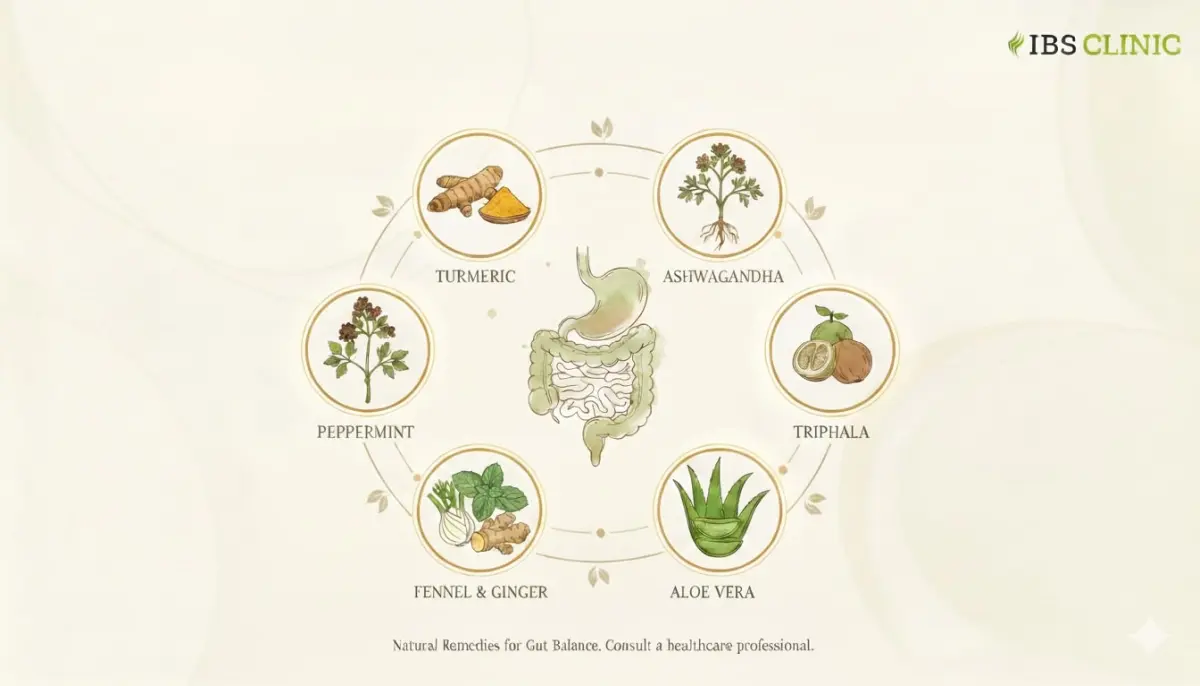
However, traditional use does not automatically establish clinical effectiveness for IBS. Before using an Ayurvedic preparation, consider:
- Complete ingredient composition.
- Manufacturing quality and purity.
- Regulatory status.
- Possible interactions with existing medicines.
- Suitability for your particular bowel pattern.
Natural does not automatically mean safe for everyone. Herbal preparations should not be considered guaranteed alternatives to conventional medicines or proven cures for IBS. Read more in our guide to Ayurvedic treatment for IBS.
Why the Same IBS Medicine May Not Work for Every Patient
Consider three different situations.
Patient 1: constipation with hard stools. The patient may benefit from appropriate constipation management, including soluble fibre or selected medication.
Patient 2: soft stools but incomplete evacuation. The patient continues straining despite passing soft stools. This may involve pelvic floor coordination difficulties or a defecatory disorder. More laxatives may not address the actual problem. If you rely on a churna or laxative, see laxative and churna dependency.
Patient 3: repeated urgency after meals. The patient experiences an urgent need to visit the toilet shortly after eating. An increased gastrocolic response may contribute to this pattern, alongside other possible causes. See gastrocolic reflex dysfunction.
Although all three patients may describe their condition as IBS, their treatment requirements can be very different.
Why Diet and Lifestyle Are Equally Important in IBS Treatment
Medication is only one part of IBS management. A comprehensive approach should also consider:
- Food selection: identify foods that consistently trigger symptoms without unnecessarily restricting your diet. See our guide to the worst foods for IBS.
- Fibre management: choose the appropriate fibre type and quantity. Soluble fibre such as psyllium may help selected patients, while sudden increases in fibre can worsen bloating.
- Meal timings: maintain regular eating patterns and moderate meal sizes.
- Physical activity: walking and regular exercise may support digestive health.
- Sleep routine: avoid consistently irregular sleep timings.
- Stress management: gut–brain communication plays an important role in digestive sensitivity and bowel activity.
- Dietary guidance: a structured low-FODMAP approach may help selected patients, but it should involve restriction, reintroduction and long-term personalization rather than permanent food avoidance. See our IBS diet plan.
These changes are not substitutes for necessary medication. They are important components of a broader treatment plan.
Constipation With Incomplete Evacuation: A Problem Laxatives May Not Solve
Some people pass stool every day but still feel that their bowel has not emptied completely. Common complaints include:
- Straining despite soft stools.
- Sitting in the toilet for 15–20 minutes.
- Repeated toilet visits.
- Feeling of blockage during evacuation.
- Urgency after meals.
These symptoms may involve slow bowel transit, rectal sensitivity or pelvic floor coordination difficulties. In confirmed pelvic floor dyssynergia, specialised assessment and pelvic floor biofeedback may be more appropriate than simply increasing fibre or laxatives. Learn about pelvic floor problems and incomplete evacuation.
Remember: passing stool daily does not necessarily mean complete evacuation.
When to Reassess Your IBS Treatment
Seek medical reassessment rather than repeatedly changing medicines if:
- Symptoms continue despite treatment.
- Constipation alternates with loose motions.
- You experience frequent post-meal urgency.
- You strain despite having soft stools.
- You feel that your bowel never empties completely.
- Medicines improve one symptom but worsen another.
Blood in stools, unexplained weight loss, anaemia, persistent fever, severe abdominal pain or persistent nocturnal diarrhoea require medical evaluation.
The IBS Clinic Approach: Beyond Medicines
At IBS Clinic – Integrative Gut Health, we believe that IBS management should begin with understanding the patient's actual digestive pattern. Our assessment considers:
- Whether the dominant problem is constipation, diarrhoea or alternating bowel habits.
- Stool consistency using the Bristol Stool Chart.
- Gas, bloating and abdominal discomfort.
- Urgency after meals and gastrocolic response.
- Straining and incomplete evacuation.
- Previous medication use and treatment response.
- Complete dietary and lifestyle patterns.
Our approach considers dietary modifications, lifestyle guidance and appropriate treatment options together. We do not believe that every patient with IBS should receive the same medicine or the same dietary restrictions.
Our philosophy is simple: do not spend years searching for another pill without understanding why your digestive system is not functioning comfortably. Medicines can be important, but effective IBS management also requires appropriate diet, lifestyle changes and timely professional guidance.
Stop Searching for Another Pill. Start Understanding Your Gut.
If you have tried different medicines over the years but continue experiencing gas, bloating, constipation, loose motions or incomplete evacuation, it may be time to reassess your digestive pattern. At IBS Clinic – Integrative Gut Health, we focus on understanding individual bowel patterns and developing personalized care approaches. Our objective is to help you understand your digestive symptoms and make informed decisions about diet, lifestyle and appropriate treatment.
Book a free 15-minute initial evaluation.
Medical disclaimer: This article is intended for educational awareness only. It does not replace medical diagnosis or treatment. Prescription medicines, antibiotics and herbal preparations should be used under appropriate professional supervision. Do not start, stop or change medication dosages without consulting your healthcare professional.
Frequently asked questions
What is the best medicine for IBS?+
There is no single best medicine. Treatment depends on whether constipation, diarrhoea, abdominal pain or another symptom is dominant.
What is the best allopathic medicine for IBS in India?+
No single allopathic medicine suits everyone. Doctors may consider soluble fibre, selected laxatives or prescription medicines such as linaclotide or lubiprostone for IBS-C, loperamide or rifaximin in selected patients for IBS-D, and antispasmodics such as mebeverine, dicyclomine or hyoscine butylbromide for cramps. The choice depends on your symptoms, medical history and professional assessment.
Can IBS be managed with medicines alone?+
Medicines can help control specific symptoms, but diet, lifestyle, sleep, physical activity and stress management are also important parts of comprehensive IBS management.
Is there a permanent medicine for IBS?+
IBS is a chronic condition with symptoms that may fluctuate. Treatment aims to achieve sustained symptom control and improve quality of life rather than guarantee a permanent cure.
Which antibiotic is used for IBS?+
Rifaximin is an antibiotic with evidence for selected patients with IBS-D. It requires medical assessment and should not be used casually.
Why do IBS symptoms return after stopping medicines?+
Some medicines control specific symptoms without addressing all contributing factors. Persistent or recurring symptoms may require reassessment.
Are Ayurvedic medicines effective for IBS?+
Some preparations are traditionally used for digestive symptoms, but clinical evidence varies. Their quality, safety and suitability should be evaluated.
Why does constipation continue despite taking laxatives?+
The problem may involve more than stool hardness. Slow bowel transit or pelvic floor coordination difficulties can contribute to persistent symptoms.
Can stress affect IBS?+
Yes. The gut and brain communicate continuously. Stress can influence digestive sensitivity, abdominal discomfort and bowel activity.