

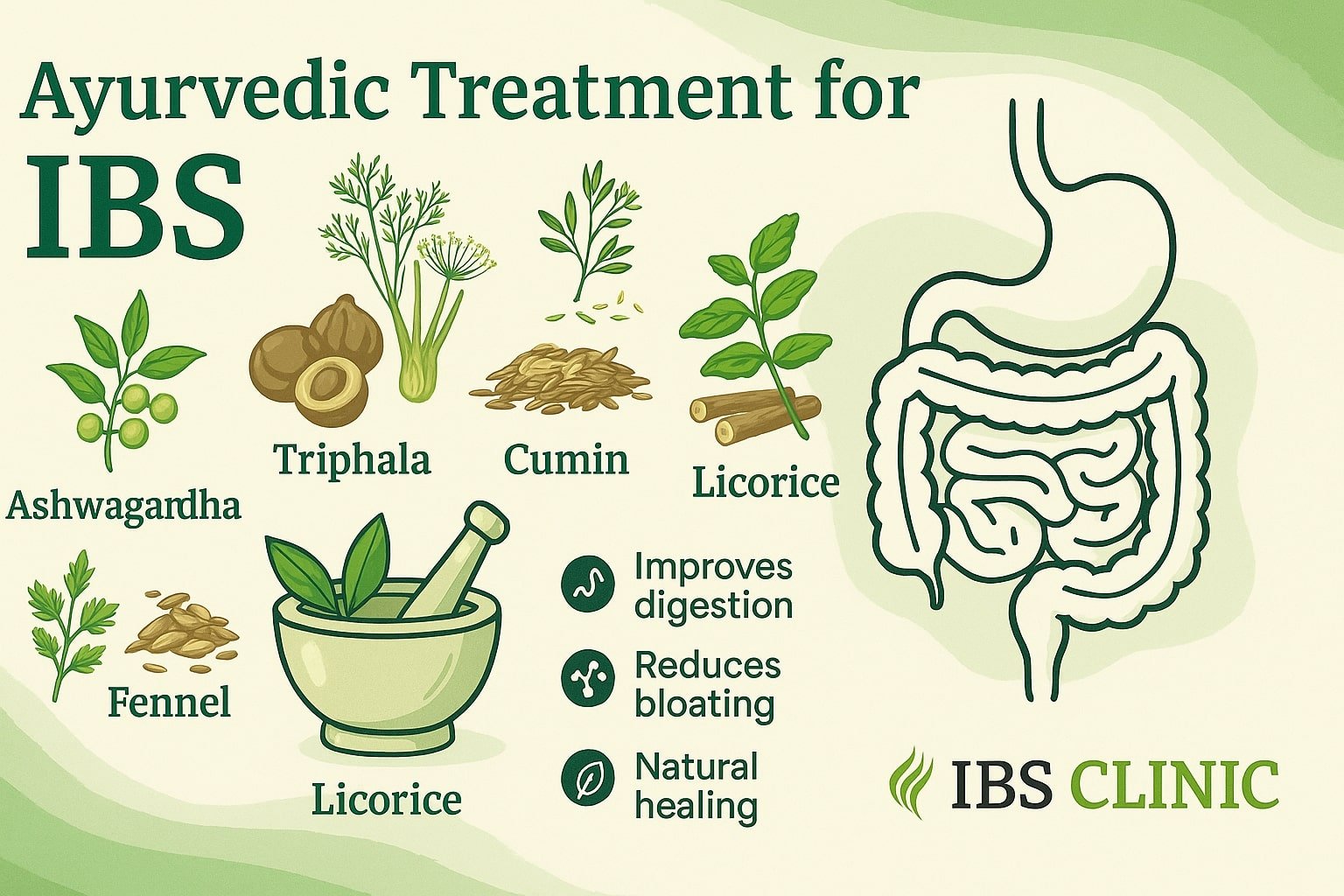
IBS Ayurvedic Treatment: Natural Relief with Proven Results

TL;DR – Key Takeaways
- Ayurveda treats IBS root cause through dosha balancing and Agni (digestive fire) restoration, not just symptom management
- 75-85% improvement rate achievable in 3-6 months with proper ibs ayurvedic treatment protocols
- Personalized approach based on your unique dosha imbalance (Vata, Pitta, or Kapha predominance)
- Best results combine customized herbal formulations, dietary modifications, and lifestyle changes tailored to your constitution
Are your IBS symptoms controlling your life? IBS ayurvedic treatment offers a time-tested solution that addresses the underlying imbalances causing your digestive distress. Unlike conventional approaches that focus on suppressing symptoms, ayurveda good for ibs works by restoring your body’s natural digestive harmony. This comprehensive guide reveals how the best ayurvedic treatment for ibs can transform your gut health naturally.
What is Irritable Bowel Syndrome (IBS)? An Ayurvedic Perspective
Understanding IBS in Modern Medicine
Irritable Bowel Syndrome affects 10-15% of the global population, causing abdominal pain, bloating, irregular bowel movements, and significant quality-of-life disruption. Modern medicine classifies IBS as a functional disorder with no structural abnormalities, making conventional treatment challenging.
Common IBS symptoms include:
- Cramping and abdominal pain relieved by bowel movements
- Alternating diarrhea and constipation
- Excessive gas and bloating
- Mucus in stool
- Urgent bowel movements
IBS as ‘Grahani Roga’ in Ayurveda
Ayurveda identifies IBS as Grahani Roga, a disorder of the small intestine (grahani) where digestive enzymes are secreted. The term “grahani” means “to hold” – referring to the organ’s function of retaining food until proper digestion occurs.
When Agni (digestive fire) weakens, food isn’t properly broken down. This creates Ama (toxic undigested material) that accumulates in the gastrointestinal tract, triggering IBS symptoms.
The Role of Doshas in IBS Development
Is there any ayurvedic treatment for ibs? Yes, and it begins with understanding your dosha imbalance. IBS primarily involves Vata dosha vitiation (air and ether elements), which governs all movement in the body, including intestinal peristalsis.
Dosha patterns in IBS:
- Vata-type IBS: Constipation-predominant, gas, bloating, anxiety
- Pitta-type IBS: Diarrhea-predominant, burning sensation, inflammation
- Kapha-type IBS: Heaviness, mucus in stool, sluggish digestion
- Tridoshic IBS: Mixed symptoms requiring comprehensive treatment
How is Ayurveda Good for IBS? The Science Behind Natural Healing
Why Ayurvedic Treatment Works Where Others Fail
Ayurveda good for ibs because it addresses the root cause rather than masking symptoms. A 2014 study published in the Journal of Ayurveda and Integrative Medicine demonstrated significant improvement in IBS patients following Ayurvedic protocols compared to conventional treatments.
The holistic approach considers your unique constitution, lifestyle, stress levels, and dietary habits. This personalization explains why ibs ayurvedic treatment achieves lasting results.
Root Cause vs Symptom Management Approach
Conventional IBS treatment uses antispasmodics, antidiarrheals, and antidepressants to control symptoms. While helpful short-term, these don’t address why your digestive system malfunctions.
Ayurvedic treatment targets:
- Restoring digestive fire (Agni deepana)
- Eliminating accumulated toxins (Ama pachana)
- Balancing aggravated doshas
- Strengthening intestinal integrity
- Calming the nervous system’s impact on gut function
Agni (Digestive Fire) and Its Impact on IBS
Mandagni (weak digestive fire) is the primary culprit in IBS development. When Agni weakens due to irregular eating, stress, or inappropriate food combinations, your body can’t efficiently convert food into nutrients.
This incomplete digestion produces Ama, which blocks the microcirculatory channels (srotas), further compromising nutrient absorption and waste elimination. Restoring Agni is the cornerstone of ibs treatment by ayurvedic principles.
Real Patient Success Story – IBS Ayurvedic Treatment Case Study
Patient Profile and Presenting Symptoms Mr. Anurag Kumar (New Delhi) suffered 15-20 years of chronic IBS with persistent bloating, 2-4 daily soft stools, intermittent stomach pain, and acidity. Previous allopathic, homeopathic, and Ayurvedic treatments provided only temporary relief.
Ayurvedic Assessment and Diagnosis Vata-Pitta predominant constitution with Manda-Tikshna Agni (fluctuating digestive fire). Significant Ama accumulation affecting gut-brain axis communication.
Customized Treatment Protocol Diapro powder for digestive fire enhancement, Diarrheal Plus powder for dosha balancing. Dietary changes included warm, cooked foods with small frequent meals. Lifestyle modifications incorporated yoga and pranayama.
Progress Timeline Month 1: 60% symptom reduction. Month 3: 80% improvement, stabilized to 2 daily bowel movements. Month 6: Occasional discomfort only. Month 8: Treatment completed, normal diet resumed.
Current Status Four years post-treatment with sustained symptom-free status. No ongoing treatment required, demonstrating constitutional approach effectiveness over symptom suppression.
Best Ayurvedic Treatment for IBS: Comprehensive Protocol
Panchakarma Detoxification for IBS
Panchakarma (five purification actions) removes deep-seated toxins and resets your digestive system. For IBS, specific procedures include:
Virechana (therapeutic purgation): Eliminates excess Pitta and Ama from the intestinal tract. Most effective for IBS-D (diarrhea-predominant).
Basti (medicated enema): The primary treatment for Vata disorders. Herbal oils and decoctions administered rectally calm Vata, reduce inflammation, and restore healthy gut motility.
Abhyanga (oil massage): Warm sesame oil massage calms nervous system dysregulation, a major IBS trigger.
Herbal Formulations – The Best Ayurvedic Treatment for IBS
Triphala: The cornerstone of digestive health, this three-fruit formula gently detoxifies while supporting healthy elimination. Take 1-2 teaspoons in warm water before bed.
Chitrakadi Vati: Kindles digestive fire and improves enzyme secretion. Particularly effective for Vata-type constipation and bloating.
Bilwadi Churna: Absorbs excess moisture in the intestines, making it ideal for IBS-D (diarrhea-predominant cases).
Kutajarishta: Fermented herbal preparation that soothes intestinal inflammation and regulates bowel movements.
Hingwashtak Churna: Carminative formula that eliminates gas, reduces bloating, and improves nutrient absorption.
Personalized Treatment Based on Dosha Imbalance
Vata-Type IBS Treatment
Symptoms: Constipation, gas, variable bowel habits, anxiety, dry stools
Protocol:
- Warm, moist, grounding foods
- Sesame oil for cooking and abhyanga
- Ashwagandha for nervous system support
- Regular meal times (critical for Vata balance)
- Basti therapy as primary Panchakarma
Pitta-Type IBS Treatment
Symptoms: Diarrhea, burning sensation, inflammation, irritability
Protocol:
- Cooling, soothing foods
- Aloe vera juice (2 oz twice daily)
- Guduchi and shatavari for inflammation
- Avoid spicy, sour, and fermented foods
- Virechana therapy when appropriate
Kapha-Type IBS Treatment
Symptoms: Heavy digestion, mucus in stool, lethargy, congestion
Protocol:
- Light, warm, spicy foods
- Trikatu (three pungents) to stimulate Agni
- Regular exercise essential
- Avoid dairy, cold foods, excessive sweets
- Vamana (therapeutic emesis) in severe cases
Ayurvedic Diet for IBS: Foods That Heal Your Gut
IBS-Friendly Foods According to Ayurveda
Grains: Well-cooked basmati rice, quinoa, oats (avoid wheat initially)
Proteins: Mung dal, red lentils, easily digestible pulses (avoid heavy beans)
Vegetables: Cooked vegetables (avoid raw), zucchini, bottle gourd, pumpkin, leafy greens
Fruits: Ripe bananas, cooked apples, pomegranate, papaya (avoid citrus during flares)
Spices: Ginger, cumin, coriander, fennel, turmeric (natural anti-inflammatories)
Fats: Ghee (clarified butter) – 1-2 teaspoons per meal supports nutrient absorption and Vata balance
Foods to Avoid in IBS Management
Completely eliminate:
- Refined sugar and artificial sweeteners
- Processed foods with additives
- Caffeine and carbonated beverages
- Alcohol
- Raw salads and cold foods (especially for Vata types)
- Deep-fried foods
Reduce significantly:
- Dairy products (except ghee and occasional buttermilk)
- Cruciferous vegetables (broccoli, cauliflower, cabbage)
- Nightshades if inflammation present
- Incompatible food combinations
Meal Timing and Food Combinations for Better Digestion
Follow these principles:
- Eat at the same times daily (regulates digestive enzyme secretion)
- Largest meal at lunch when Agni is strongest (12-1 PM)
- Dinner by 7 PM, at least 3 hours before bed
- Never eat when stressed or upset (shuts down digestive function)
- Avoid snacking between meals (allows complete digestion)
Food combination rules:
- Don’t mix fruit with meals (eat alone or before meals)
- Avoid combining milk with sour, salty, or fermented foods
- Don’t mix cooked and raw foods in one meal
- Protein and starch combinations should be minimal
Ayurvedic Herbs for IBS: Nature’s Digestive Healers
Top 5 Ayurvedic Herbs for IBS Relief
- Licorice Root (Yashtimadhu)
- Soothes intestinal inflammation
- Protects mucosal lining
- Balances excess Pitta
- Dosage: 1/4 tsp powder in warm milk before bed
- Peppermint (Pudina)
- Relaxes intestinal smooth muscle
- Reduces cramping and spasms
- Improves bile flow
- Dosage: Fresh peppermint tea after meals
- Ginger (Shunthi)
- Kindles digestive fire
- Reduces gas and bloating
- Anti-inflammatory properties
- Dosage: Fresh ginger tea 20 minutes before meals
- Fennel (Shatapushpa)
- Carminative (relieves gas)
- Reduces intestinal spasms
- Supports healthy gut bacteria
- Dosage: 1 tsp seeds chewed after meals or as tea
- Haritaki (Terminalia chebula)
- Regulates bowel movements
- Gentle detoxification
- Rejuvenates intestinal tissue
- Dosage: 1/2 tsp powder with warm water at bedtime
How to Use These Herbs Safely and Effectively
General guidelines:
- Start with small doses and increase gradually
- Take herbs consistently for minimum 6-8 weeks for results
- Best absorbed when taken with appropriate anupana (carrier): warm water, honey, ghee, or milk
- Consult qualified Ayurvedic practitioner for personalized formulations
- Quality matters – source organic, authentic herbs from reputable suppliers
Caution: Avoid self-medicating if pregnant, nursing, or taking medications. Some herbs interact with blood thinners, diabetes medications, and immunosuppressants.
Lifestyle Changes for Long-Term IBS Management
Stress Management Through Yoga and Meditation
Gut-brain axis dysfunction is a major IBS contributor. Studies show 50-90% of IBS patients have comorbid anxiety or depression. Ayurveda addresses this through:
Pranayama (breathing exercises):
- Nadi Shodhana (alternate nostril breathing) – balances nervous system
- Bhramari (bee breath) – calms mind and reduces stress
- Practice 10-15 minutes daily, preferably morning
Meditation practices:
- 20 minutes daily meditation reduces cortisol by 23%
- Mantra meditation (Om chanting) stimulates vagus nerve
- Body scan meditation increases interoceptive awareness
Yoga asanas for IBS:
- Paschimottanasana (seated forward bend) – massages intestines
- Pawanmuktasana (wind-relieving pose) – releases trapped gas
- Supta Matsyendrasana (supine twist) – improves digestion
- Avoid inversions and intense abdominal compression during flares
Sleep Hygiene and Digestive Health
Poor sleep disrupts gut motility and increases inflammation. Ayurvedic sleep protocols:
- Sleep by 10 PM (Kapha time promotes deep rest)
- Wake by 6 AM (before Kapha accumulation causes sluggishness)
- Avoid screens 1 hour before bed (blue light disrupts melatonin)
- Abhyanga with warm oil 30 minutes before shower calms Vata
- Drink warm milk with nutmeg before bed (natural sedative)
Daily Routine (Dinacharya) for IBS Patients
Morning routine (6-8 AM):
- Evacuate bowels naturally (don’t strain)
- Drink warm water with lemon (stimulates peristalsis)
- Oil pulling with sesame oil (removes oral toxins)
- Light breakfast after tongue cleaning
Midday routine:
- Largest meal between 12-1 PM
- 10-minute walk after lunch (aids digestion)
- Avoid sleep immediately after eating
Evening routine:
- Light dinner by 7 PM
- Herbal tea (ginger or fennel)
- Gentle stretching or slow walk
- Wind down activities 1-2 hours before bed
Is There Any Ayurvedic Treatment for IBS? Comparing Treatment Options
Ayurveda vs Western Medicine for IBS
| Aspect | Ayurvedic Treatment | Western Medicine |
| Approach | Addresses root cause and constitution | Manages symptoms |
| Timeline | 3-6 months for significant improvement | Ongoing medication needed |
| Side Effects | Minimal when properly prescribed | Common (constipation, dependency, drowsiness) |
| Personalization | Highly individualized based on dosha | Standardized protocols |
| Long-term Outcome | Sustainable improvement, reduced flares | Symptom control, no cure |
| Cost | Moderate initial investment | Ongoing medication costs |
Can Both Approaches Be Combined?
Yes, integrative treatment is often ideal, especially during transition. Inform both practitioners about all treatments you’re receiving.
Considerations:
- Antispasmodics and Ayurvedic herbs can work synergistically
- Taper conventional medications gradually under medical supervision
- Ayurvedic treatment may reduce need for pharmaceuticals over time
- Some combinations (e.g., blood thinners + turmeric) require monitoring
Success Rates and Treatment Duration
Realistic expectations for ibs treatment by ayurvedic methods:
Month 1: Initial detox symptoms possible, 20-30% symptom reduction Month 2-3: Noticeable improvement in frequency and severity (40-60% reduction) Month 4-6: Significant relief for most patients (70-85% improvement) Beyond 6 months: Maintenance phase with occasional tune-ups
Success rates vary based on:
- Chronicity of condition (recent onset responds faster)
- Treatment compliance (diet and lifestyle changes critical)
- Stress management implementation
- Quality of herbs and practitioner expertise
Best Ayurvedic Treatment for IBS in India: Finding the Right Care
What to Look for in an Ayurvedic IBS Specialist
Qualifications:
- BAMS (Bachelor of Ayurvedic Medicine and Surgery) degree minimum
- Additional specialization in Kayachikitsa (internal medicine)
- Experience treating digestive disorders (ask about IBS patient volume)
- Registered with state Ayurvedic council
Treatment approach:
- Conducts thorough pulse diagnosis (Nadi Pariksha)
- Takes detailed dietary and lifestyle history
- Explains your dosha imbalance clearly
- Provides written treatment plan with timelines
- Offers follow-up consultations (essential for adjustments)
Red flags:
- Promises instant cure or unrealistic timelines
- Prescribes same formula to all IBS patients
- No dietary or lifestyle guidance (herbs alone won’t work)
- Unclear about herb sources or quality
- Pushes expensive supplements without explanation
Red Flags: When to Consult a Doctor Immediately
Seek emergency care for:
- Severe abdominal pain that worsens progressively
- Blood in stool (bright red or tarry black)
- Unintentional weight loss (>10 lbs in 3 months)
- Fever with IBS symptoms
- Symptoms that began after age 50
- Family history of colon cancer, IBD, or celiac disease
- Severe dehydration from diarrhea
- Complete inability to pass gas or stool
These symptoms may indicate conditions beyond IBS requiring immediate medical evaluation.
Expected Timeline for Results
Phase 1 (Weeks 1-4): Detoxification and Agni Restoration
- Possible temporary worsening (healing crisis)
- Increased bowel movements during detox
- Energy fluctuations
- Stay hydrated and follow dietary guidelines strictly
Phase 2 (Months 2-3): Active Healing
- Reduction in pain intensity and frequency
- More predictable bowel patterns
- Decreased bloating and gas
- Improved energy and mental clarity
Phase 3 (Months 4-6): Stabilization
- Significant symptom relief
- Greater food tolerance
- Reduced stress reactivity
- Transition to maintenance protocol
Maintenance Phase (Ongoing):
- Seasonal tune-ups (especially during dosha-aggravating seasons)
- Continued lifestyle practices
- Periodic consultations for prevention
Common Questions About Living with IBS – Ayurvedic Answers
I’ve been taking antispasmodics for 2 years – can I switch to Ayurveda suddenly or do I need to taper off?
Never stop medications abruptly. Work with both your gastroenterologist and Ayurvedic practitioner to create a tapering schedule. Typically, begin Ayurvedic treatment while continuing current medications. As symptoms improve over 2-3 months, gradually reduce pharmaceutical doses under medical supervision. The goal is a safe, comfortable transition without symptom rebound.
My IBS gets worse during my period – is there a connection and what can Ayurveda do differently?
Yes, hormonal fluctuations directly impact gut motility. Progesterone slows intestinal movement (causing constipation), while prostaglandins increase contractions (causing diarrhea during menstruation). Ayurveda addresses this through:
- Shatavari for hormone balance
- Dashamoola to reduce menstrual cramping and intestinal spasms
- Cycle-specific diet adjustments (warming foods during period)
- Abhyanga with warm sesame oil starting 3 days before period
The best ayurvedic treatment for ibs in india clinics now offer specialized women’s digestive health protocols addressing this overlap.
Can I eat out at restaurants while following Ayurvedic IBS treatment, or do I have to cook everything at home?
You can eat out with mindful choices. Select restaurants offering fresh, simply prepared food. Guidelines:
- Choose freshly cooked, warm foods over buffets
- Request light spicing (“less oil, less spice”)
- Order grilled/steamed over fried
- Bring digestive herbs (fennel seeds) to chew after
- Avoid experimenting with new cuisines during active treatment
- Indian restaurants often accommodate Ayurvedic requests
Social eating is important for mental health – don’t isolate yourself. Plan ahead and communicate your needs.
